University Libraries make research, education more accessible, affordable


The OER Observatory aggregates and displays OER-related news and content from third-party sources worldwide. This content is not produced by UNESCO or the OER Dynamic Coalition. All rights and responsibility for the original content remain with the respective authors and publishers. The inclusion of third-party content in the Observatory does not imply endorsement by UNESCO or the OER Dynamic Coalition. Users can access the original source through the link provided with each item.
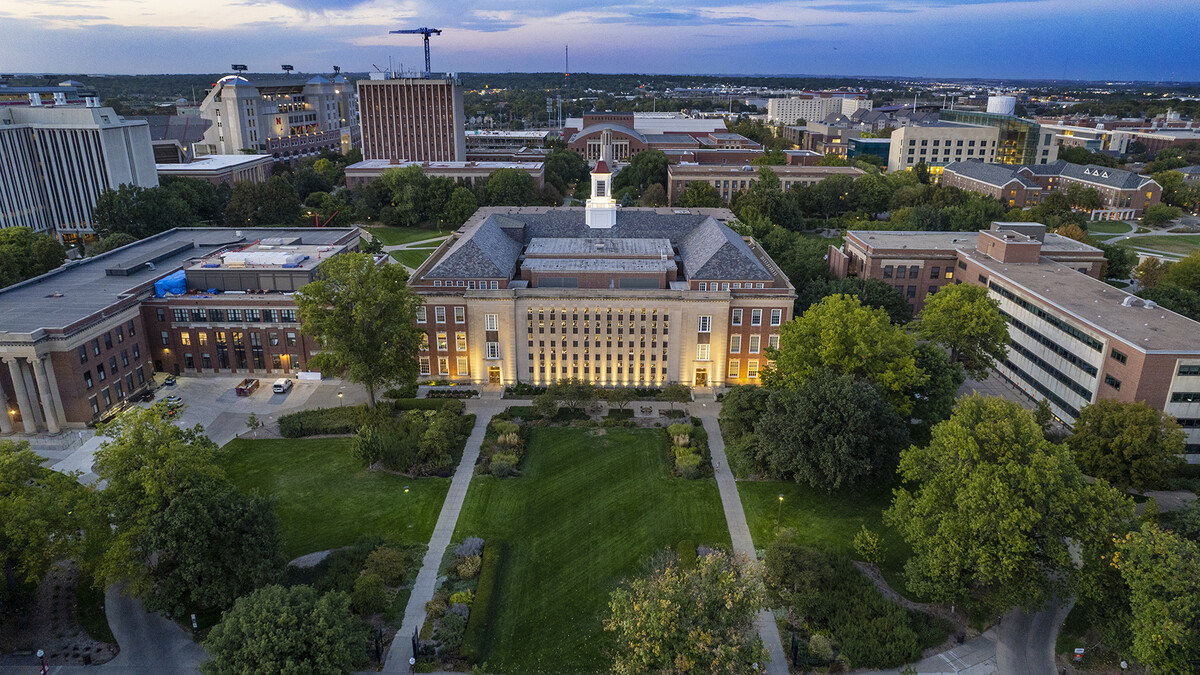
Love Library is home to University Libraries, which is expanding access to research and educational materials through open-access publishing, digital repositories and open educational resources.
University Libraries efforts to expand access to research and educational materials have saved Huskers millions of dollars while making Nebraska scholarship available to wider audiences.
The efforts are being highlighted to the University of Nebraska-Lincoln community during International Open Access Week. Oct. 19-25. The 2026 theme, "The Costs of Knowledge," is focused on the costs associated with creating, sharing and preserving research.
Since 2021, Nebraska's open publishing agreements have helped university researchers avoid more than $1.9 million in article processing charges, fees publishers often charge to make scholarly articles freely available to readers. More than $1.4 million of those savings came through the university's agreement with Wiley.
"As Nebraska's public research university libraries, we have a responsibility to extend the value of public investment in the university by making Nebraska research broadly accessible," said Thomas Padilla, associate dean and associate professor in the University Libraries. "When research findings and data are freely available, they can be used by educators, businesses, communities and citizens across the state and beyond."
Open access also can expand the reach of research.
An analysis of Nebraska-authored research published from 2015 to 2025 found that open-access articles received, on average, more than twice as many citations as articles that were not openly available. The analysis found an association between greater online availability and higher citation totals.
The analysis was conducted by University Libraries faculty members David Tyler, Pei-Ying Chen and Erica DeFrain.
University Libraries also manages several platforms that make Nebraska research and data publicly available.
Digital Commons, Nebraska's institutional repository, recorded nearly 14 million downloads from July 1, 2025, through June 30, 2026. The repository allows researchers to deposit articles and other eligible scholarly work that can be accessed online.
The libraries also manage SANDY, a repository for sharing and preserving research data, and the UNL Geoportal, which provides access to geospatial data, maps and imagery. SANDY has recorded more than 4,600 visits in 2026.
Nebraska's open-access efforts extend to the classroom, where open educational resources are helping reduce the cost of course materials for students.
The Successful Teaching with Affordable Resources initiative provides funding and support for instructors to develop and use open educational resources. The materials are available to students at no cost.
Since spring 2019, open educational resources developed by Nebraska instructors through the initiative have saved students more than $6 million in textbook costs. More than 60,000 students used the resources from spring 2019 through spring 2026.
"Providing students with no-cost course materials is one way we can reduce the barriers created by the cost of knowledge," said Melissa Gomis, professor of practice and chair of collections strategy and open scholarship with the University Libraries. "Open educational resources make it possible for students to have access to the materials they need from the beginning of a course, while also giving instructors opportunities to rethink how those materials are used in teaching."
Together, the university's efforts have reduced the cost of accessing both research and course materials while expanding the audiences who can use Nebraska-created knowledge.
The initiative is a partnership between the Office of the Executive Vice Chancellor, University Libraries, Information Technology Services and the Center for Transformative Teaching.
The university's open-access work is part of the Nebraska Model for Public Research Libraries and supports goals outlined in the university's Our Bold Path Forward strategic framework.
During Open Access Week, University Libraries faculty and staff will offer workshops focused on the costs of creating and sharing knowledge and ways researchers can make their work more widely available.
A complete schedule and registration information are available on the University Libraries' Open Access Week website.